
Choosing a Solana Browser Wallet: Practical Advice for DeFi Users
Ever opened a DeFi app on Solana and felt a knot in your stomach? Yeah, me too. Wallets are that one piece of the puzzle where convenience, security, and user experience collide — sometimes messily. This guide walks through the tradeoffs in browser-extension wallets for Solana, what to look for, and why many people reach for Phantom as their go-to extension.
Start simple: a browser wallet is your keyring. It signs transactions, stores keys (locally in the extension), and talks to dApps. Those three things sound straightforward, but different wallets make different choices about UX, security, and integrations. The result: some are better for trading, others for NFTs, and a few are built for power users who want hardware keys. Hold that thought; we’ll unpack each choice.
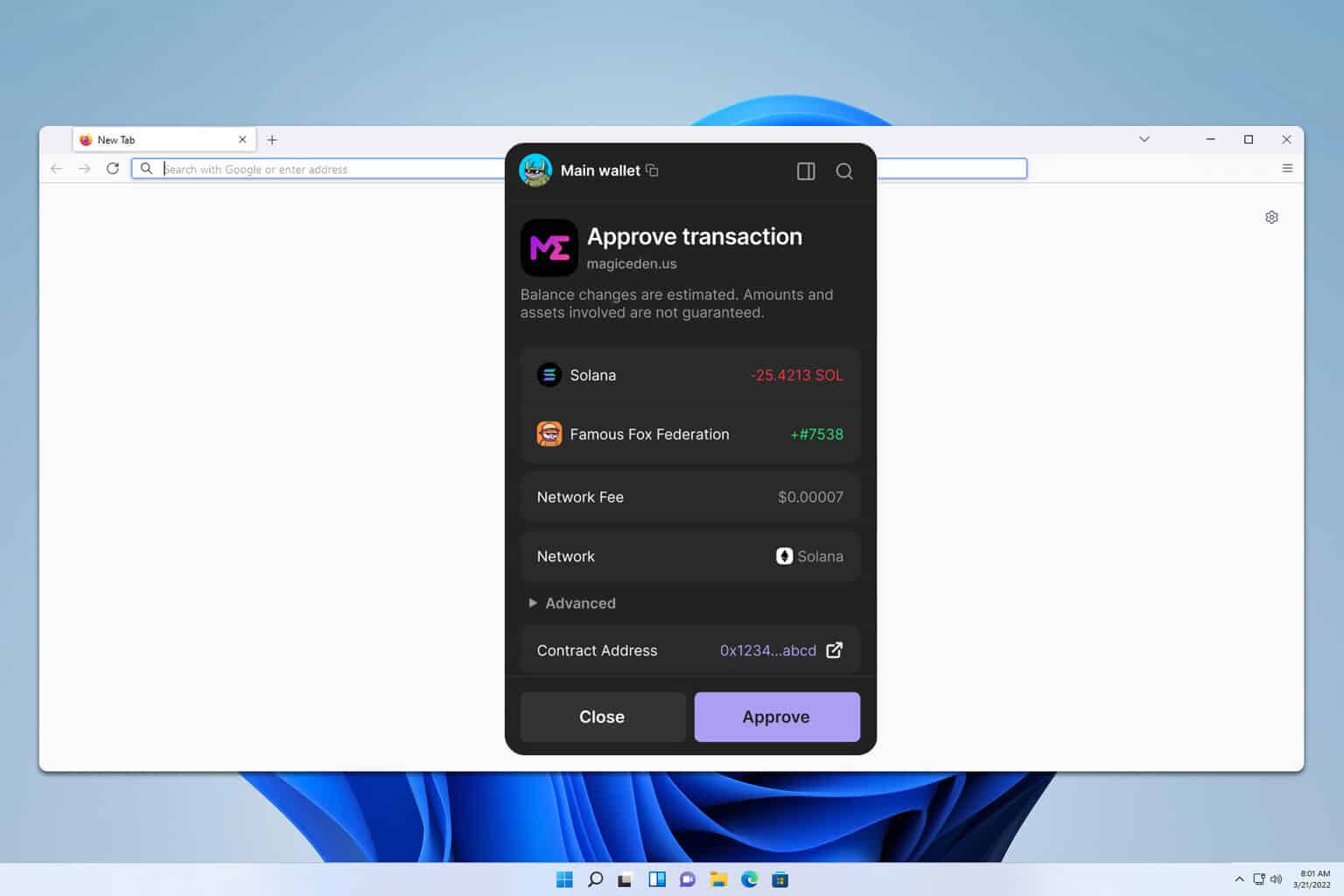
Why a dedicated Solana wallet matters
Solana’s ecosystem moves fast. Block times are quick, fees are tiny, and apps can push multiple signed actions in a single flow. A wallet that understands Solana-specific flows (SPL tokens, stake accounts, NFTs) reduces friction and surprises. Use a generic Ethereum-first extension and you’ll miss UX niceties or hit confusing prompts — not a great experience when you’re approving swaps or minting NFTs.
Good wallets also help prevent common mistakes: sending tokens to the wrong chain, signing gibberish transactions, or trusting malicious dApp popups. Features matter: transaction previews, whitelisting, nonce handling, and hardware wallet support all change risk profiles.
Phantom at a glance
Phantom started as a UX-first wallet for Solana and became the default browser extension for many users. Clean interface, built-in swap, NFT gallery, direct staking, and developer-friendly APIs — these are the reasons it gets recommended often. If you want an easy onboarding path, it’s a solid pick.
Practical note: if you want to try Phantom, the official extension link is here: phantom wallet. One link. That’s the recommended place to begin the install flow for users who want the extension experience.
Security considerations (real-world tradeoffs)
Browser extensions store keys locally and can be targeted by browser-based attacks or social engineering. So: use a strong, unique password for your wallet, enable any available PIN or biometric locks, and always verify the origin of the dApp you’re connecting to.
Hardware wallets like Ledger add a strong security layer — private keys never leave the device — but they make some flows clunkier. On one hand, hardware devices are a must for larger balances. On the other hand, casual users who trade small amounts might prefer the convenience of an extension-only setup. Balance risk vs reward.
Key features to evaluate
When choosing between Phantom and other extensions (Solflare, Sollet, slope, etc.), look for:
- Transaction clarity — readable details before approving
- Hardware wallet integration — Ledger or other supported devices
- Built-in swaps/staking/NFT gallery — convenience vs. delegating to dApps
- Approval management — easy to revoke permissions and see connected sites
- Open-source status or audit history — transparency matters
If a wallet hides fees, or shows vague prompts, that’s a red flag. Conversely, too many security prompts can make a wallet annoying; usability still matters, because users will bypass friction if it feels excessive.
Practical setup tips
Getting started safely:
- Install from the wallet’s official site or trusted stores only.
- Write down your recovery phrase on paper — not a screenshot. Store it offline.
- Try a small transaction first to confirm everything works.
- Use separate wallet addresses for high-value and low-value activity when possible.
- Revoke unnecessary approvals periodically and keep browser extensions up to date.
Common pitfalls and how to avoid them
Phishing remains the most common issue. A convincing fake site or a malicious extension can ask for your seed phrase. Never enter your recovery phrase into a website or share it with anyone. Wallets will never ask for the seed phrase to approve transactions. If a site asks, walk away.
Another problem: cross-chain confusion. Sending tokens to an address on the wrong chain is often irreversible. Double-check networks and token standards (SPL vs others) before confirming.
FAQ
Q: Can I use Phantom with a Ledger?
A: Yes. Phantom supports Ledger devices for an added security layer. That combination gives you Phantom’s UI with private key protection on the hardware device.
Q: Is Phantom safe for NFTs?
A: Phantom includes an NFT gallery and supports common NFT flows. For high-value mints or trades, use a hardware wallet and validate contract details carefully — rogue contracts can still attempt unsafe approvals.
Q: What about transaction privacy and data?
A: Most browser wallets expose public addresses to dApps. If privacy is a concern, use separate wallets per service and consider privacy-focused tooling. Remember: blockchain transactions are public by design.
